



Radiology (Interventional Radiology)
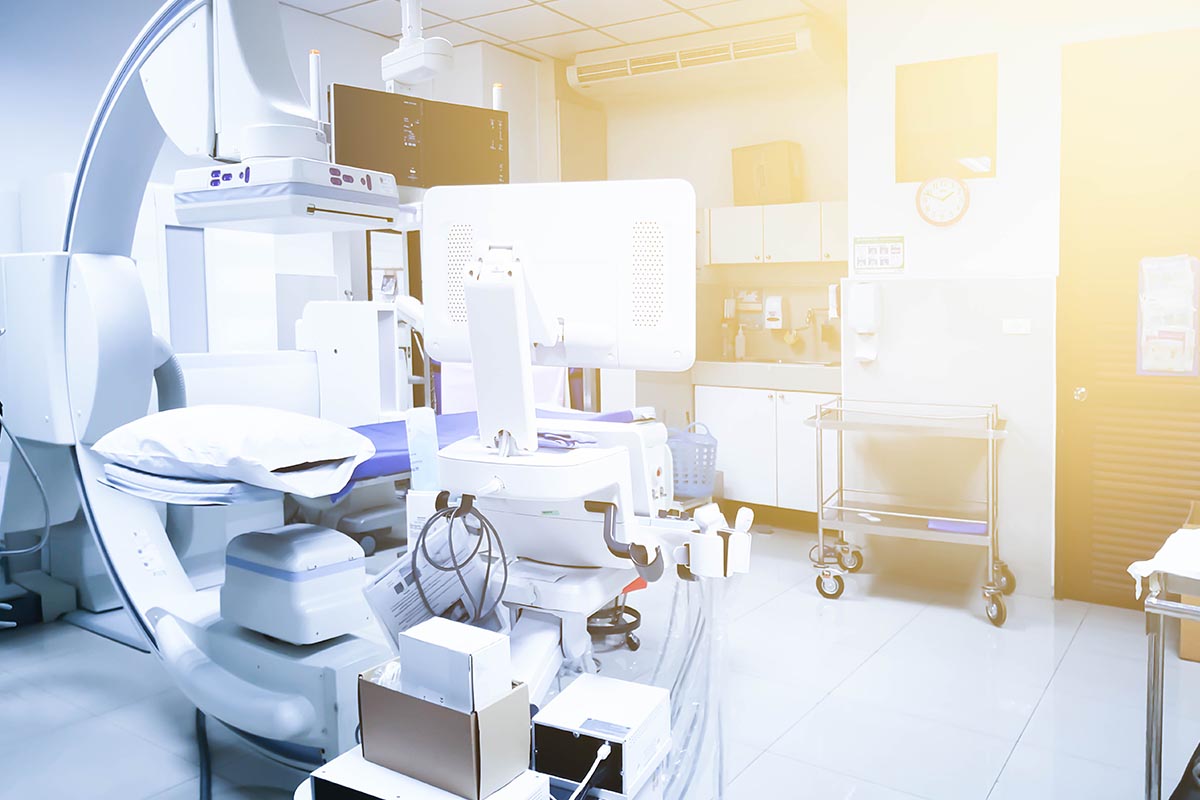
Interventional Radiology is a field of radiology including techniques applied for diagnosis and treatment in many areas of medicine. The patient is usually administered local anesthesia; Interventional radiology, including diagnosis and treatment methods performed by entering the body with very small means (in the size of a pinhole), enables diseases to be treated with much simpler interventions than before, without the need for open operations and diagnostic surgical applications, and to obtain clearer information about the disease. Imaging methods such as angiography, ultrasound and computed tomography are the most frequently used interventional radiology applications in diagnosis and treatment. It is be applied by doctors specializing in Interventional Radiology in all vascular treatments (such as occlusion, ballooning, bleeding) performed with angiography, except for cardiac vessels.
Cyst treatments occuring in many places in the body can be treated with this method. At the same time, pathological samples obtained from cysts taken or evacuated can be examined in the laboratory environment to obtain information about whether they are malignant or not. Moreover, the diagnosis and treatment opportunities provided by interventional radiology are frequently used in the treatment of varicose veins and liver cancers.
Advantages of interventional radiology over open surgeries are as follows:
- It usually does not require anesthesia (narcosis).
- It is performed with only one little hole on the body, there will be no surgery scar.
- Patient can return home on the day of surgery.
- Procedures are easy and there is little risk.
- It takes less time to return normal life.
If you have any disease requiring interventional radiology applications, you can apply to a health institution that meticulously performs radiological procedures by using state-of-the-art equipment by specialist doctors. Thus, you can both increase the success rate in the diagnosis and treatment of your disease and prevent operations requiring you to stay in the hospital for a long time.